
 By Kendry Lee
Renovating a living room is one of the most rewarding upgrades a homeowner can make. As the central gathering space in most homes, the living room shapes daily routines, social experiences, and first impressions for guests. Today’s renovation trends focus on comfort, flexibility, sustainability, and timeless design rather than purely decorative upgrades.
Modern living room improvements are no longer about following short-lived styles. Instead, they prioritize smart layouts, functional elegance, and materials that improve both aesthetics and usability. The following renovation trends are practical, adaptable, and worth considering for homeowners looking to refresh their living space with lasting value.
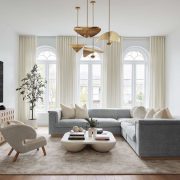
Embracing Warm Neutral Color Palettes
One of the most noticeable shifts in living room design is the move away from stark whites and cool gray interiors toward warmer neutral tones.
Popular modern neutrals include:
- Soft beige
- Warm taupe
- Cream
- Clay-inspired shades
- Muted olive undertones
These tones create a welcoming atmosphere while maintaining versatility for future updates. Unlike bold accent colors that can feel dated quickly, warm neutrals adapt easily to changing furniture styles and seasonal décor.
Layering different neutral shades across walls, upholstery, rugs, and curtains adds depth without overwhelming the room.
Layered Lighting for Comfort and Functionality
Lighting plays a defining role in modern living room renovations. Instead of relying on a single overhead fixture, homeowners are now combining multiple lighting sources to create flexible environments.
Layered lighting typically includes:
- Ambient lighting for overall brightness
- Task lighting for reading and activities
- Accent lighting to highlight architectural features
Examples of effective layered lighting solutions include:
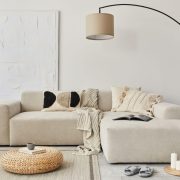
Floor lamps near seating areas
These support reading and conversation zones.
Wall sconces beside artwork or shelving
They create subtle visual interest without taking up floor space.
Table lamps with warm bulbs
They help soften the atmosphere during evenings.
This approach allows homeowners to adjust lighting depending on mood and purpose.
Statement Accent Walls With Texture
Accent walls remain popular, but the trend has evolved beyond bold paint colors. Texture now plays a central role in creating focal points.
Modern accent wall materials include:
- Vertical wood slats
- Limewash finishes
- Stone veneer
- Decorative panel molding
- Textured wallpaper
Textured walls add dimension while maintaining a calm visual balance. They work especially well behind sofas, fireplaces, or media units.
When executed properly, a textured accent wall can anchor the entire living room design.
Multi-Functional Furniture for Flexible Living
Today’s living rooms often serve more than one purpose. Many households use the space for working, relaxing, entertaining, and even studying.
Multi-functional furniture helps maximize usability without overcrowding the room.
Popular options include:
- Storage ottomans
- Modular sofas
- Expandable coffee tables
- Nesting side tables
- Convertible seating
These solutions are particularly valuable in smaller homes where space efficiency matters.
Flexible furniture layouts also make it easier to adapt the room as needs change over time.
Natural Materials for a Calmer Atmosphere
Natural materials are becoming essential elements in modern living room renovations. They help create warmth and authenticity while reducing the reliance on synthetic finishes.
Common natural materials include:
- Wood
- Linen
- Cotton
- Leather
- Stone
- Woven fibers
Wood furniture with visible grain patterns adds character without feeling heavy. Linen upholstery introduces softness while remaining durable. Woven baskets and rugs enhance texture and visual comfort.
Together, these materials create a balanced and grounded environment.
Built-In Storage Solutions That Reduce Clutter
Clutter is one of the biggest obstacles to maintaining a comfortable living room. Built-in storage solutions are increasingly popular because they improve organization without sacrificing style.
Smart built-in storage ideas include:
- Media wall shelving
- Window seat storage benches
- Recessed display niches
- Floor-to-ceiling bookcases
These solutions keep everyday items accessible while preserving a clean appearance.
Integrated storage also increases property value by improving functionality.
Larger Windows and Improved Natural Light Access
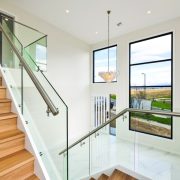
Natural light remains one of the most desirable features in modern living room design. Renovations that increase daylight exposure dramatically improve both aesthetics and comfort.
Ways homeowners are enhancing natural light include:
- Replacing heavy curtains with lighter fabrics
- Installing larger window panels
- Adding glass doors
- Using reflective surfaces strategically
Even simple adjustments such as repositioning mirrors can improve brightness throughout the room.
Rooms filled with natural light appear larger and more inviting.
Comfortable Yet Structured Seating Arrangements
Living room seating layouts are shifting away from rigid arrangements toward more conversational groupings.
Instead of placing furniture against every wall, homeowners are creating intentional seating zones.
Examples include:
- Facing sofas around a central table
- Chairs angled toward conversation areas
- Sectionals defining open-plan boundaries
These layouts improve interaction and make the room feel more purposeful.
Comfort remains the priority, but structure helps maintain visual balance.
Minimalist Media Walls With Clean Lines
Television walls used to dominate living room design. Today’s renovations focus on integrating technology more subtly.
Modern media wall trends include:
- Slim floating consoles
- Hidden cable systems
- Built-in shelving
- Neutral-toned backgrounds
These solutions reduce visual clutter while maintaining functionality.
A well-designed media wall blends seamlessly into the overall space instead of becoming the main focal point.
Indoor Plants as Permanent Design Elements
Indoor greenery is no longer treated as temporary decoration. Plants are now integrated into renovation plans as long-term design features.
Benefits of adding plants include:
- Improved air quality
- Increased visual warmth
- Natural texture contrast
- Enhanced relaxation
Popular plant placement strategies include:
- Corner statement plants
- Shelf displays
- Hanging planters near windows
- Entryway greenery transitions
Choosing low-maintenance plants helps maintain consistency over time.
Area Rugs That Define Zones in Open Layouts
Open floor plans continue to influence living room renovations. Area rugs are being used more intentionally to define spaces without adding physical barriers.
Rugs can separate:
- Conversation areas
- Reading corners
- Media zones
- Entry transitions
Choosing appropriately sized rugs ensures furniture feels anchored rather than floating.
Layered rugs are also becoming more common for adding depth and personality.
Curved Furniture Shapes for Softer Visual Flow
Straight lines once dominated living room layouts. Recently, curved silhouettes have returned as a major renovation trend.
Curved elements include:
- Rounded sofas
- Oval coffee tables
- Arched shelving
- Circular accent chairs
These shapes reduce harsh edges and improve visual movement across the room.
Curves also make spaces feel more welcoming and relaxed.
Ceiling Enhancements That Add Subtle Character
Ceilings are receiving more attention in living room renovations than ever before.
Popular ceiling updates include:
- Painted ceiling accents
- Wood beams
- Coffered details
- Recessed lighting layouts
Even small ceiling upgrades can significantly change how the room feels.
Enhancing vertical surfaces helps create a more complete and balanced design.
Timeless Fireplaces as Living Room Anchors
Fireplaces remain one of the most impactful living room features. Renovations increasingly focus on simplifying fireplace surrounds rather than making them overly decorative.
Modern fireplace upgrades include:
- Minimal stone surrounds
- Floating mantels
- Linear electric inserts
- Neutral tile finishes
These updates maintain warmth while aligning with contemporary aesthetics.
A thoughtfully renovated fireplace naturally becomes the centerpiece of the room.
Blending Personal Style With Current Trends
The most successful living room renovations combine modern ideas with personal identity.
Ways to personalize a renovation include:
- Displaying travel collections
- Incorporating heirloom furniture
- Adding handcrafted décor
- Choosing artwork with emotional value
Trends should guide decisions, not control them.
A living room feels most inviting when it reflects the people who live there.
FAQ Section
How long does a typical living room renovation usually take
Most living room renovations take between two and six weeks depending on the scope of work, material availability, and contractor scheduling.
What is the average budget range for a living room renovation
Costs vary widely, but many homeowners spend between moderate and mid-range budgets depending on flooring changes, lighting upgrades, and built-in installations.
Should flooring be replaced during a living room renovation
Replacing flooring can improve comfort and appearance significantly, especially if existing materials are worn or outdated.
Are open concept living rooms still popular in modern homes
Open layouts remain highly desirable because they improve natural light flow and support flexible furniture arrangements.
How can homeowners make a small living room feel larger during renovation
Using lighter colors, mirrors, layered lighting, and multi-functional furniture can visually expand smaller spaces.
Is it better to choose trendy furniture or timeless pieces during renovation
Timeless furniture provides longer-lasting value, while trends should be incorporated through smaller accessories that are easier to update later.
Can smart home technology be integrated into living room renovations
Yes, many homeowners now include smart lighting controls, automated window coverings, and integrated sound systems as part of modern renovation plans.