 By Kendry Lee
Switching to natural cleaning solutions is more than a lifestyle trend. Many traditional cleaning products contain harsh chemicals that can irritate skin, trigger allergies, and affect indoor air quality. Fortunately, effective natural alternatives already exist in most households. When used correctly, they clean surfaces thoroughly, eliminate odors, and maintain hygiene without unnecessary exposure to synthetic ingredients.
Natural cleaning methods are practical, affordable, and surprisingly powerful. With a few simple ingredients and consistent routines, you can maintain a spotless home safely and efficiently.
Why Natural Cleaning Solutions Are Worth Using
Natural cleaning products reduce chemical exposure while still delivering strong results. Many common ingredients contain antibacterial, deodorizing, or grease-cutting properties that make them highly effective.
Key advantages include:
- Safer indoor air quality
- Lower risk of skin irritation
- Reduced environmental impact
- Cost savings over time
- Fewer harsh residues on surfaces
These benefits make natural cleaning especially appealing for households with children, pets, or allergy concerns.
Baking Soda as a Multi-Purpose Cleaner
Baking soda is one of the most versatile cleaning ingredients available. Its mild abrasive texture helps remove stains without scratching most surfaces.
You can use baking soda to:
- Remove sink stains
- Clean stovetops
- Deodorize carpets
- Freshen refrigerators
- Scrub bathroom tiles
To clean a sink or countertop, sprinkle baking soda directly on the surface and wipe gently with a damp cloth. For stronger cleaning, combine baking soda with a small amount of water to create a paste.
Its odor-neutralizing properties also make it ideal for eliminating lingering smells instead of simply masking them.
White Vinegar for Grease and Odor Removal
White vinegar is widely recognized for its ability to dissolve mineral deposits and cut through grease. It works particularly well in kitchens and bathrooms.
Effective uses include:
- Cleaning glass and mirrors
- Removing soap residue
- Disinfecting countertops
- Eliminating refrigerator odors
- Breaking down hard water buildup
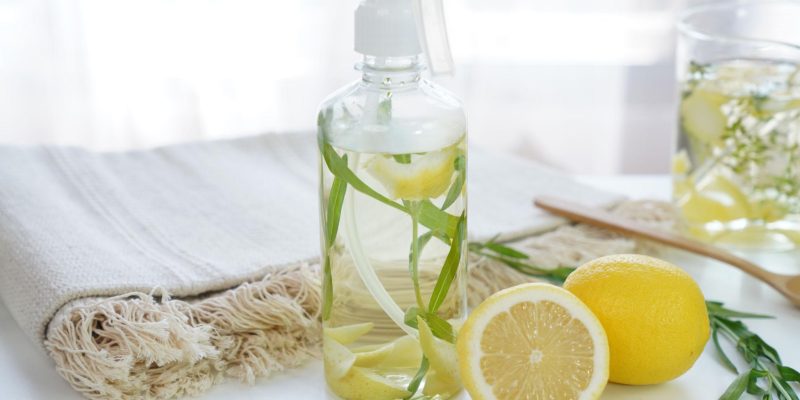
Mix equal parts vinegar and water in a spray bottle for everyday cleaning. This solution leaves glass surfaces streak-free and removes kitchen grease efficiently.
However, avoid using vinegar on natural stone surfaces like granite or marble, since it can damage the finish.
Lemon Juice as a Natural Degreaser
Lemon juice contains natural acids that help dissolve grease and remove stains. It also leaves behind a fresh scent without artificial fragrances.
Lemon juice works well for:
- Cleaning cutting boards
- Removing microwave stains
- Polishing metal surfaces
- Whitening laundry stains
- Neutralizing garbage disposal odors
For microwave cleaning, heat a bowl of water with lemon slices inside for several minutes. The steam loosens residue and makes wiping easier.
Castile Soap for Everyday Surface Cleaning
Castile soap is a plant-based cleaner that works on a wide range of household surfaces. It produces gentle but effective cleaning action without harsh ingredients.
It can be used for:
- Floor cleaning
- Dishwashing
- Bathroom surfaces
- Kitchen counters
- Handwashing delicate fabrics
Mix a small amount with warm water to create an all-purpose cleaning solution suitable for most household tasks.
Hydrogen Peroxide for Disinfection
Hydrogen peroxide is a powerful natural disinfectant that helps eliminate bacteria and stains. It works especially well in bathrooms and laundry areas.
Common uses include:
- Whitening grout
- Sanitizing cutting boards
- Removing mildew stains
- Cleaning bathroom fixtures
- Brightening white laundry
Spray directly onto surfaces and allow it to sit briefly before wiping clean.
Store hydrogen peroxide in its original container because exposure to light reduces its effectiveness.
Essential Oils for Added Cleaning Support
Essential oils enhance natural cleaning solutions by contributing antibacterial properties and pleasant scents. Some oils also help repel insects.
Popular cleaning-friendly oils include:
- Tea tree oil
- Lemon oil
- Eucalyptus oil
- Lavender oil
- Peppermint oil
Adding a few drops to homemade cleaning sprays improves both effectiveness and fragrance without synthetic chemicals.
Natural Solutions for Kitchen Cleaning
The kitchen often requires the most frequent cleaning. Grease, food residue, and moisture create ideal conditions for bacteria if not addressed properly.
Effective kitchen cleaning methods include:
Countertops
Use a vinegar and water spray for daily wiping. Follow with a microfiber cloth for streak-free results.
Stovetops
Apply baking soda paste to stubborn grease spots. Wipe clean with a damp cloth.
Cutting Boards
Rub with lemon juice and salt to remove stains and odors.
Refrigerators
Place an open container of baking soda inside to absorb odors continuously.
Natural Bathroom Cleaning Techniques
Bathrooms benefit from natural cleaning ingredients that dissolve mineral buildup and soap residue.
Helpful approaches include:
Tile Cleaning
Use baking soda paste to scrub grout lines gently.
Shower Doors
Spray vinegar solution to remove water spots and soap buildup.
Toilet Cleaning
Pour baking soda followed by vinegar into the bowl. Allow the mixture to sit before scrubbing.
Sink Maintenance
Hydrogen peroxide helps remove discoloration and sanitize surfaces effectively.
These methods keep bathrooms fresh without relying on strong chemical cleaners.
Safe Natural Floor Cleaning Methods
Floors collect dirt quickly and require regular maintenance. Natural cleaning solutions can handle most floor types effectively.
Suggested techniques include:
Hardwood Floors
Use a diluted castile soap solution and a damp mop.
Tile Floors
Mix vinegar and warm water for routine cleaning.
Laminate Floors
Use minimal moisture with mild soap solution to avoid surface damage.
Always test natural cleaners on a small area first when working with unfamiliar flooring materials.
Laundry Cleaning with Natural Ingredients
Natural cleaning solutions also improve laundry routines by removing stains and odors without harsh detergents.
Practical laundry tips include:
- Add baking soda to brighten whites
- Use vinegar as a fabric softener alternative
- Apply hydrogen peroxide for stain removal
- Use lemon juice to treat sweat stains
These simple additions help maintain fabric quality while improving cleanliness.
Removing Odors Naturally Throughout the Home
Odors often come from trapped moisture, food particles, or fabrics. Natural ingredients neutralize smells instead of masking them.
Effective odor-control strategies include:
- Placing baking soda inside closets
- Using vinegar to clean trash bins
- Simmering lemon slices in water for fresh scent
- Washing upholstery regularly
Consistent odor control improves indoor comfort significantly.
Cleaning Windows Without Commercial Products
Glass cleaning becomes easier with natural solutions that prevent streaking and residue buildup.
A simple window cleaner includes:
- One part vinegar
- One part water
- Microfiber cloth
Spray lightly and wipe using vertical strokes on one side and horizontal strokes on the other to identify streak locations easily.
This method produces clear, polished glass without artificial additives.
Natural Solutions for Carpet Freshening
Carpets trap dust and odors over time. Baking soda offers a safe and effective solution for routine freshening.
To refresh carpets:
- Sprinkle baking soda evenly
- Allow it to sit for at least fifteen minutes
- Vacuum thoroughly
This technique removes odors while improving carpet cleanliness.
Creating an Effective Natural Cleaning Routine
Consistency determines whether natural cleaning solutions deliver long-term results. A simple weekly structure keeps surfaces fresh and manageable.
Suggested routine:
Daily
- Wipe kitchen counters
- Clean sinks
- Spot clean spills immediately
Weekly
- Mop floors
- Clean bathrooms
- Vacuum carpets
Monthly
- Clean appliances
- Wash curtains
- Sanitize storage areas
Maintaining this routine reduces buildup and keeps cleaning quick and efficient.
Common Mistakes to Avoid with Natural Cleaning
Even effective natural cleaners require proper use.
Avoid these mistakes:
- Mixing vinegar with hydrogen peroxide
- Using vinegar on stone surfaces
- Applying excessive moisture on wood floors
- Skipping surface testing before use
- Assuming natural means instantly disinfecting
Understanding correct usage ensures safer and more reliable cleaning results.
FAQs About Natural Cleaning Solutions
Are natural cleaning products strong enough to replace commercial cleaners
Yes. Many natural ingredients remove grease, stains, and odors effectively when used consistently and correctly.
Can natural cleaners help reduce indoor allergies
Natural cleaning solutions reduce exposure to artificial fragrances and harsh chemicals that sometimes trigger allergic reactions.
How long do homemade cleaning solutions last
Most homemade mixtures remain effective for one to two weeks when stored in sealed containers away from sunlight.
Is vinegar safe for disinfecting food preparation areas
Yes. Vinegar helps remove bacteria and odors from food preparation surfaces when followed by proper rinsing if needed.
Can essential oils replace disinfectants completely
Essential oils support cleaning routines but should be combined with other natural ingredients for stronger sanitizing results.
Do natural cleaners leave residue on surfaces
Most natural cleaners rinse clean and leave minimal residue when diluted correctly.
Is it safe to use natural cleaners around pets
Many natural cleaning ingredients are safer than chemical alternatives, but essential oils should always be used carefully around animals.